Physiological Insulin Re-sensitization
An innovative approach to metabolic care supporting insulin sensitivity.
Why Insulin Resistance Matters
Insulin resistance is the primary driver of type 2 diabetes and a root cause of metabolic syndrome. PIR targets this root cause rather than only managing blood sugar.
How PIR Works
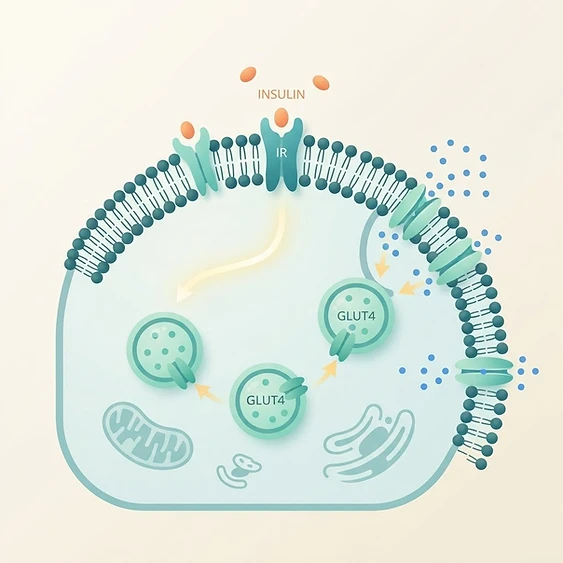
Physiological Insulin Re-sensitization (PIR) uses insulin in its hormonal role rather than merely as a drug. By delivering small, precisely timed doses of insulin on a rhythm that mimics the pancreas, PIR aims to restore normal insulin signaling at the cellular level and re-sensitize the body's tissues to insulin.1
Each pulse is paired with a small amount of oral glucose (dextrose) to stimulate digestion and mirror the body's natural insulin-glucose cycle, helping insulin reach the liver and the rest of the body in a natural pattern.1,2
A Multi-Hour Session
Each visit typically lasts 2–3 hours in a comfortable outpatient suite, with vitals monitored throughout by a registered nurse.
Biomimetic Insulin Pulses
Small, precisely timed doses of insulin are delivered every few minutes to mimic the pancreas's natural rhythm.
Paired Oral Glucose
Small amounts of oral dextrose accompany the insulin to stimulate digestion and mirror the body's normal insulin-glucose cycle.
Physician-Supervised
Every plan is ordered and overseen by your referring physician and coordinated with your ongoing diabetes care.
Reported Outcomes
Published case series, cohorts, and reviews report meaningful improvements in blood sugar control and diabetes-related complications.1,4
Hemoglobin A1c (HbA1c): Before vs. After PIR
HbA1c reflects your average blood sugar over the past 2–3 months — lower is better.
- Before PIR
- After PIR
Diabetic Nerve Pain Response
Elliott et al. case series — 299 patients with painful diabetic neuropathy.
- Complete resolution
- Partial resolution
- No improvement
93% of patients experienced at least partial relief of diabetic nerve pain.1,5
Across reported case series and cohorts.
Reported in a published case of wound healing.
Interpreted as significant cost savings.
Compared to control (p = 0.0144).
In a difficult-to-control type 1 diabetes group.


A Calm, Supervised Experience
PIR is delivered as a series of outpatient infusions in a private, restorative suite. You'll relax in a recliner with blankets, Wi-Fi, and refreshments while a registered nurse monitors your vitals throughout the session. A provider referral is required, and our team coordinates directly with your physician.
Sources & References
- 1.Greenway F, Loveridge B, Lakey JRT, et al. Physiologic Insulin Resensitization as a Treatment Modality for Insulin Resistance Pathophysiology. Int J Mol Sci. 2022;23(3):1884. PMC8836751
- 2.Physiologic Insulin Resensitization Lowers Cost in Patients With Diabetes and Kidney Disease. The American Journal of Managed Care. ajmc.com
- 3.Centers for Disease Control and Prevention. Type 2 Diabetes & National Diabetes Statistics Report. cdc.gov
- 4.Aetna Clinical Policy Bulletin 0742: Intermittent Intravenous Insulin Therapy. aetna.com
- 5.Tucker T, et al. Reversal of Diabetic Neuropathy Utilizing Physiologic Insulin Resensitization (Case Series, 2021). PDF
This information is provided for educational purposes only and is not a substitute for medical advice. Individual results vary. PIR is a physician-ordered therapy; a referral is required. Frontier Infusion Center follows the same safety protocols as your doctor's office.